“Fight until you win or die fighting.” An emperor’s order, an Ethiopian battalion in Korea, and a kindness that outlived the war.

On 6 May 1951, Ethiopian soldiers reached Busan. They had crossed continents to defend people they had never met. By the time the war was over, they had fought on Korean hillsides and helped Korean children left without parents. Today, South Korea’s work with Ethiopia carries the memory of that decision. Why did Ethiopia come, and why does Korea still remember?
The emperor who remembered an invasion
The answer begins before the Korean War. Fascist Italy invaded Ethiopia in 1935. Emperor Haile Selassie appealed to the League of Nations, only to see collective security fail when Ethiopia needed it. When the United Nations called for help after North Korea’s invasion of the South in 1950, Ethiopia’s leadership recognized a principle with painful personal meaning: an attack on a smaller country must not be treated as someone else’s problem. The decision also belonged to the diplomacy of its own time; Ethiopia was an independent actor, not a character invented for Korea’s story. The Korean veterans ministry recounts this background.
Haile Selassie’s instruction to the departing troops is remembered in unusually stark words: “Fight until you win or die fighting to establish peace and order on the Korean Peninsula.” Korea.net records the order. It was a command to soldiers who would face a real possibility of never returning home.
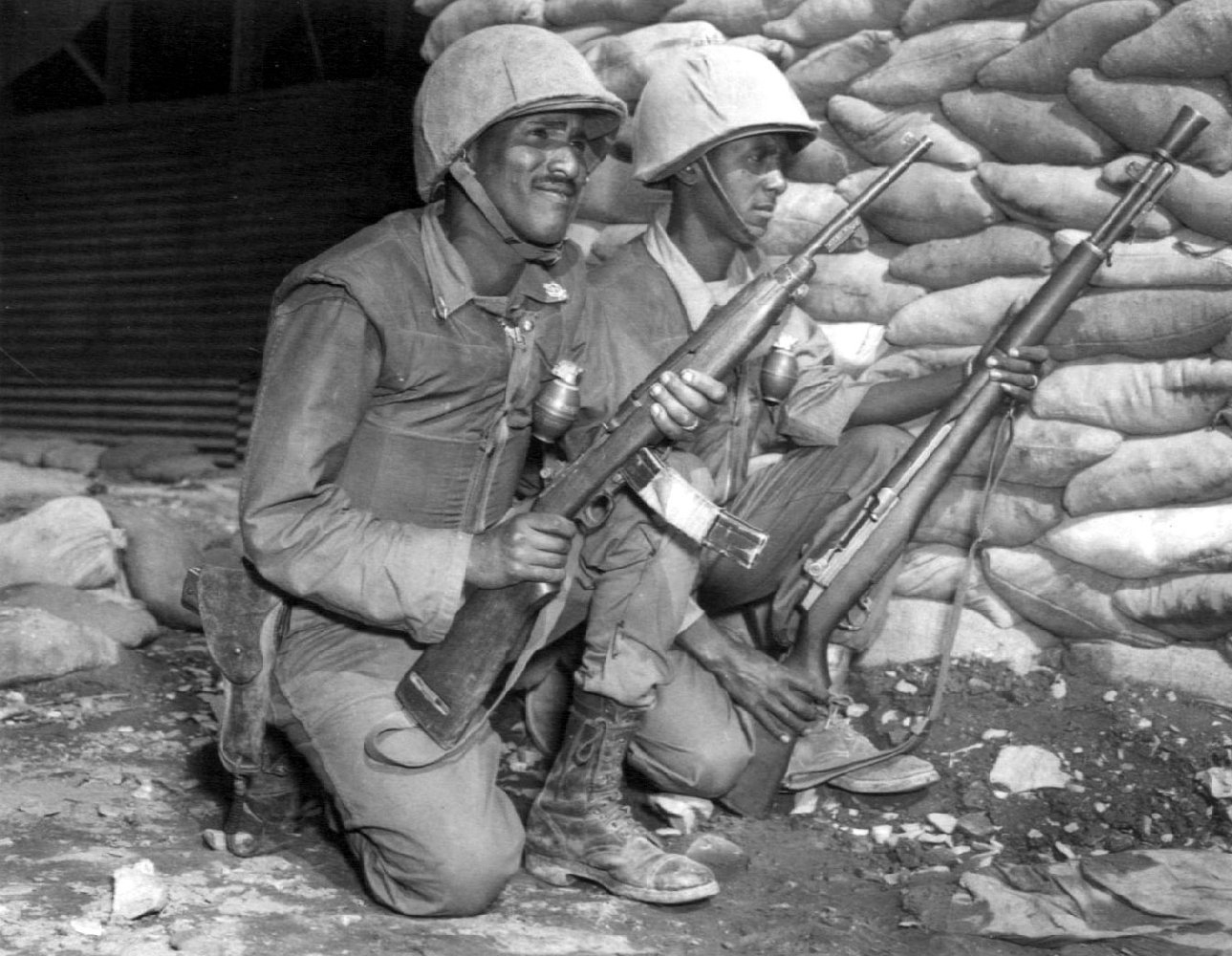
What the Kagnew Battalion did in Korea
The troops, drawn from the Imperial Guard, became the Kagnew Battalion and served alongside the U.S. 7th Infantry Division. The Korean Ministry of Patriots and Veterans Affairs records the battalion taking Hill 700 on 21 September 1951 and Hill 602 the following day. In May 1953, its soldiers repelled attacks around Hill Yoke and Hill Uncle. These place names sound small on a map. Under artillery fire, each rise of ground meant a dangerous climb, a line held, and comrades carried back. Read the ministry’s participation history.
A celebrated phrase says the Ethiopians fought 253 battles and won all 253. It captures how strongly their courage impressed Koreans, and versions of the claim appear in official commemorations. A later military-history study of the combat records, however, cautions that the number includes minor patrol actions and cannot establish a literal victory in every engagement. Their documented battlefield achievements are striking without turning a commemorative number into a flawless scorecard.
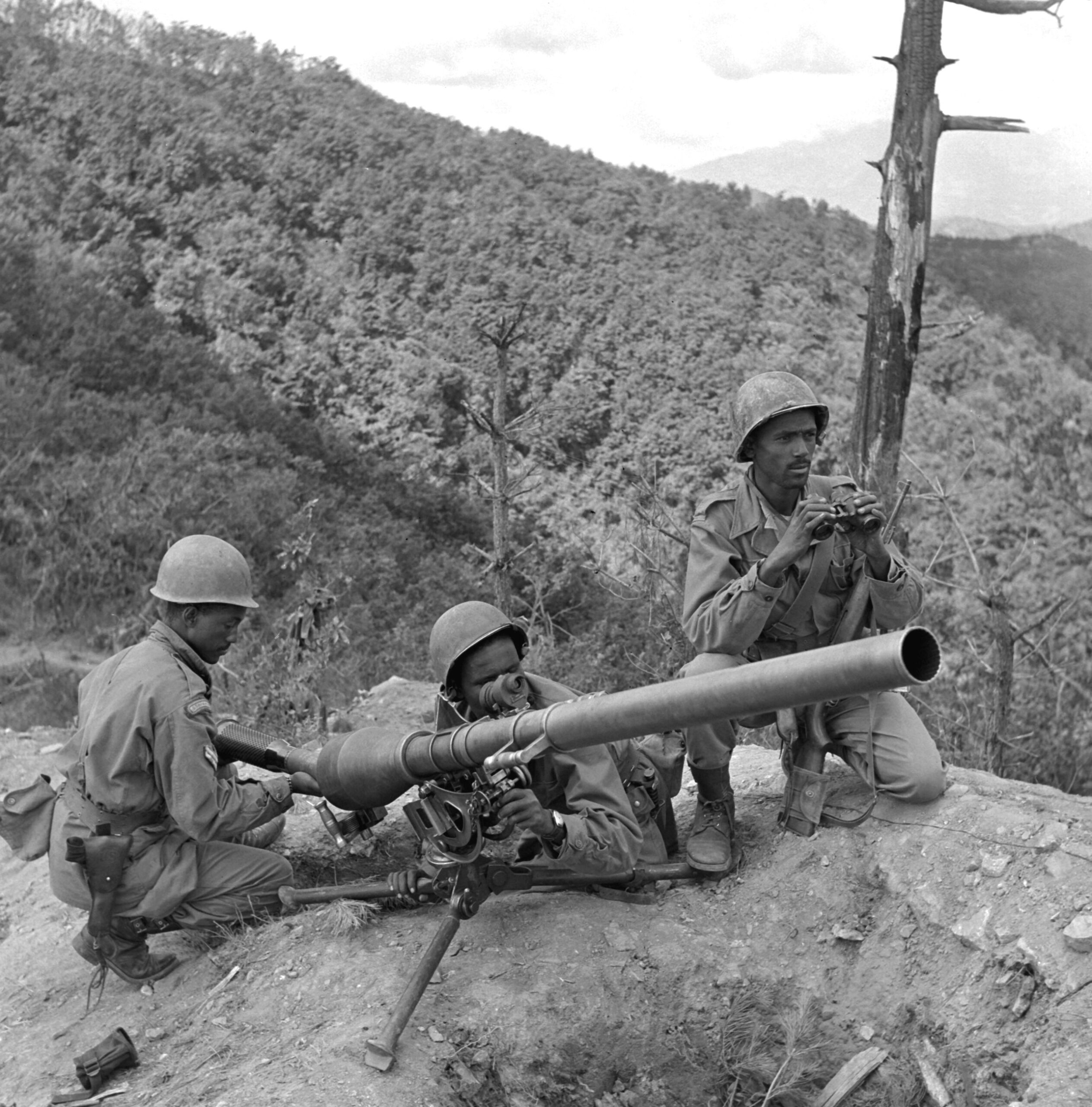
The cost was heavy. The Korean veterans ministry lists 3,520 Ethiopian participants, 121 killed, and 536 wounded. Other commemorative records use somewhat different totals and counting methods. Behind any total are people whose families carried the loss long after the armistice. Source: Ministry of Patriots and Veterans Affairs.
The soldiers who made room for orphans
There is a second Kagnew story, far from the firing line. Amid the war’s destruction, Ethiopian soldiers pooled part of their pay to support Korean orphans. In 1953 they helped establish the Bohwa Orphanage in Dongducheon. The pay of men sent thousands of miles from home became food and care for children who had lost theirs. Yonhap’s account of the orphanage preserves this less familiar part of their service.
They had a war to survive and families of their own to think about. Yet, for children around them, they made room in what little they could save. Their help was an act of human kindness, given without any promise of repayment.
A memory that crossed generations
Decades later, the direction of help changed. South Korea grew from a war-torn country into one able to work with Ethiopian communities and institutions. Korea has invited veterans and families through its Revisit Korea program and has honored Ethiopian service in memorials. At the Kagnew memorial in Addis Ababa, remembrance is made visible in the country from which the soldiers departed.
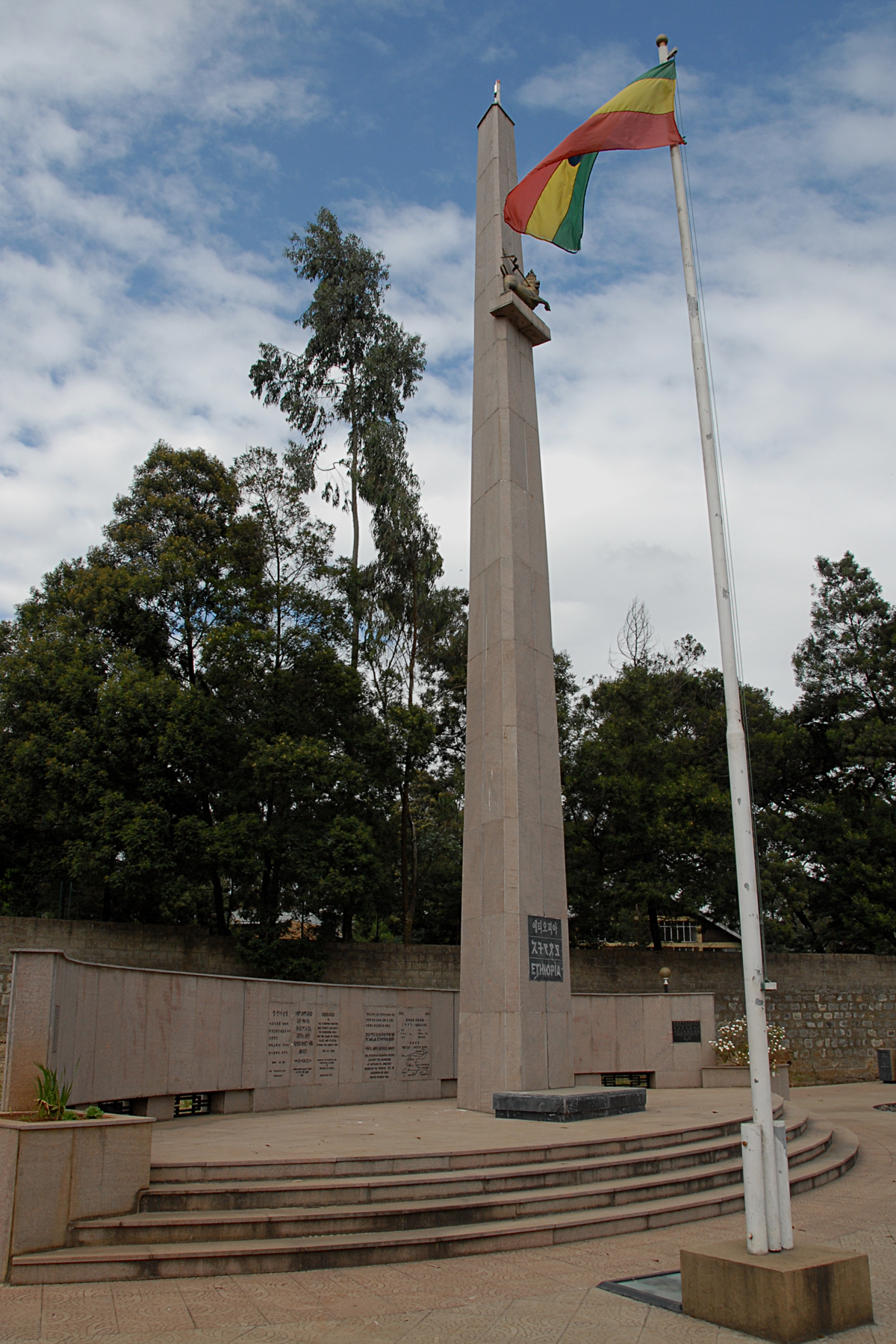
The relationship also reaches beyond remembrance. A KOICA account of the LG-KOICA Hope TVET College in Addis Ababa connects vocational training with an effort to give back to Ethiopia. Korea’s development cooperation also includes a rural irrigation project in Dodota and health-sector cooperation around Gondar. Such projects need to be judged by their results and Ethiopian priorities, not merely by good intentions. The two countries also have present-day diplomatic and economic interests.
What ‘K-DNA’ means in this story
In Korean, eunhye-reul gapda (은혜를 갚다) means to repay a kindness received. There is also an old saying, jeokseon jiga pil-yu yeogyeong (積善之家 必有餘慶): a household that accumulates good deeds will have blessings to pass on. It comes from a wider East Asian classical tradition, not from a uniquely Korean gene. See the idiom’s classical origin. For many Korean families, the belief offers a reason to give even when one cannot foresee who may benefit.
That is the K-DNA this story invites us to consider: a habit of remembering a favor, returning it when we can, and trusting that kindness can travel further than one lifetime. It is a cultural ideal, not a claim that every Korean thinks or acts alike. Nor should Ethiopia’s sacrifice be reduced to an obligation Korea can ever ‘settle.’ The more generous response is to remember the people accurately and to help build opportunities together.
The emperor’s order sent soldiers to a distant battlefield. Their courage held ground; their saved wages sheltered children. Years later, descendants of the country they helped have found ways to stand beside Ethiopia. One generation gave without knowing what would come back. Another chose not to forget.
Sources and further viewing
Key records and reporting: Korean veterans ministry’s participation history; Korea.net on Haile Selassie’s order; military-history study of the 253-battles claim; Yonhap on Bohwa Orphanage; and Korea’s foreign ministry on contemporary cooperation. Reader-shared videos that inspired this article: one, two, and three. Photographs are credited beside each image.