A flowing skirt, a short jacket, and a carefully tied ribbon can make hanbok instantly recognizable. Understanding the clothing, however, makes the experience more interesting than simply choosing a color for photographs. This guide has hanbok explained for visitors who want to recognize its main pieces and feel comfortable trying it on.
What does hanbok mean?
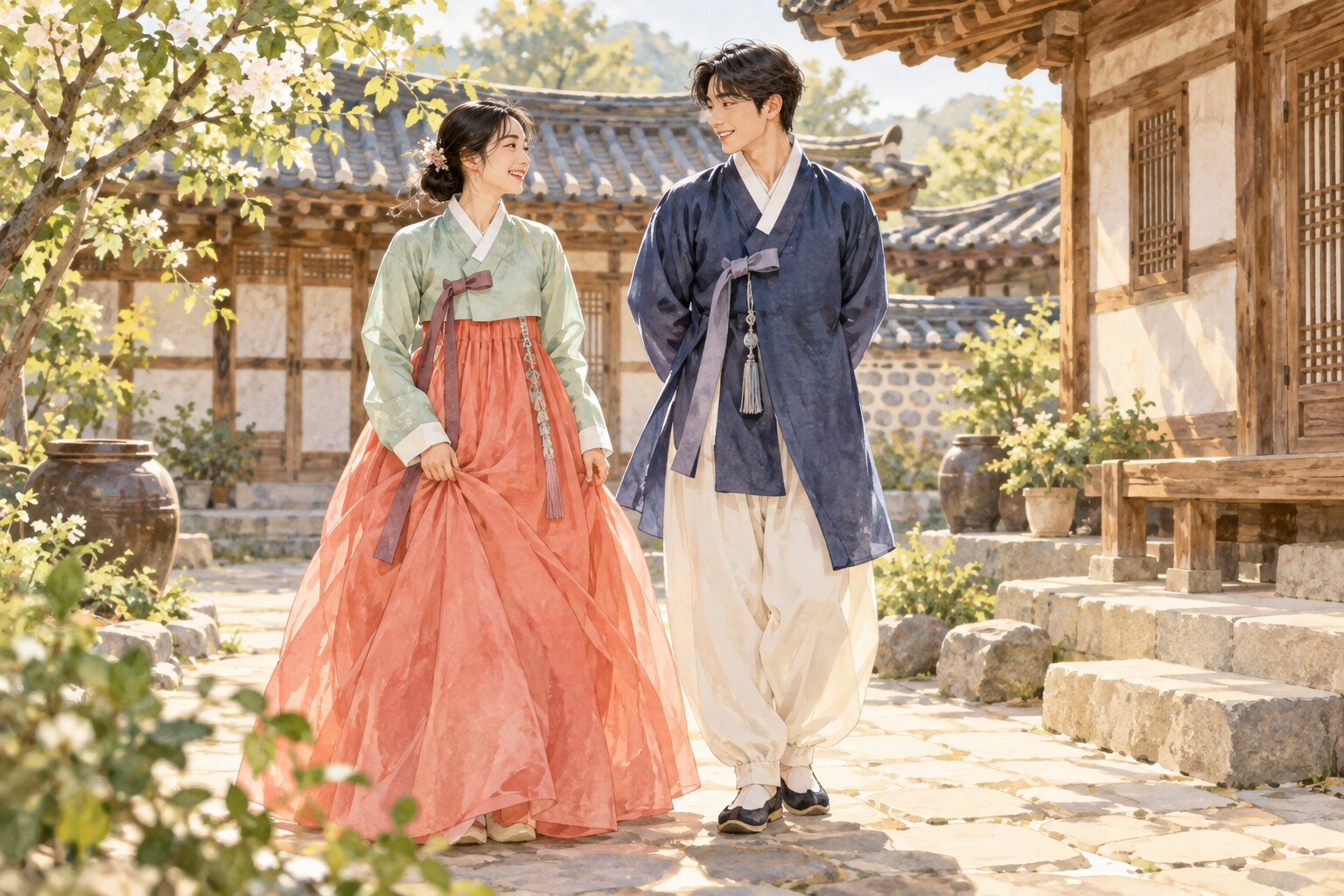
Hanbok (한복) refers to Korean traditional clothing. Its familiar basic pieces include a jeogori (저고리), or upper garment, paired with a chima (치마), a skirt, or baji (바지), trousers. The ribbon fastening is called goreum (고름), also described as otgoreum. A complete outfit may include additional layers and accessories, so these three garment names are a starting point rather than an exhaustive list.
Hanbok has changed over time. A museum garment, ceremonial outfit, modern design, and tourist rental can look different while drawing on related clothing traditions. Avoid assuming that every colorful outfit represents exactly what everyone wore in one historical period.
When do people wear it?
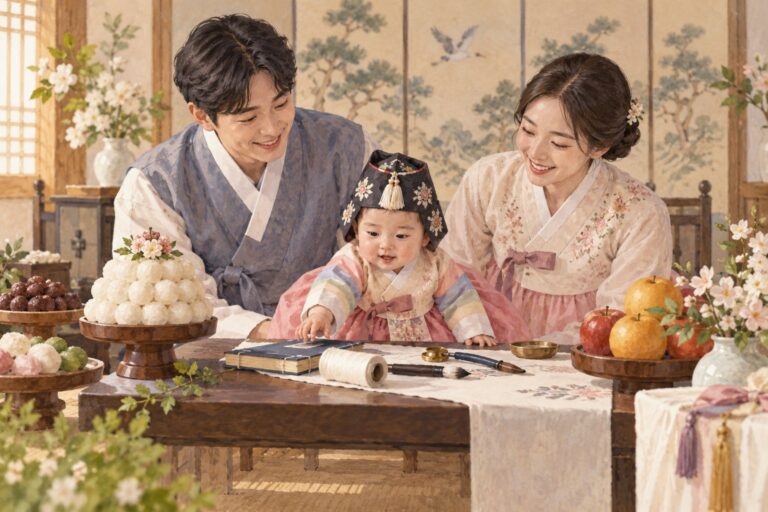
Today, hanbok is especially associated with occasions such as traditional holidays and weddings, although people also wear contemporary versions for personal enjoyment. Korea.net describes the broader practice as making, wearing, and enjoying hanbok, with customs that depend on the occasion. That distinction matters: a rental outing and a family ceremony do not necessarily call for the same choices.
If you are invited to an event, ask the host what clothing is expected. For a child’s first birthday celebration, our guide to doljanchi explains the wider setting. You do not need to arrive in hanbok simply because the family may wear it.
Choose a rental you can move in
Start with your plans for the day. A short photo session requires less walking than an afternoon crossing courtyards and climbing steps. Ask to try the complete outfit, including any underskirt or outer layer. Walk a few steps, sit if the shop permits it, and check whether the hem catches under your feet.
Ask which items are included before agreeing to the rental. Accessories, hairstyling, storage, and extra time may be handled separately. Confirm the return time and what happens if the clothing becomes wet or stained. Photographing the agreed return information can be more useful than relying on memory.
Let staff show you how to arrange the layers and fastening. A ribbon that looks simple in a photograph may be awkward to retie without practice. Keep a small bag for your phone and essentials, and choose footwear that suits the walking surface.
Enjoy photographs without blocking the place
A doorway is an appealing backdrop, but it may also be someone’s route through a building. Step aside between photographs and follow signs about entry, shoes, and restricted spaces. Ask before photographing other people closely.
Rental shops and heritage sites have separate rules. Do not assume that wearing hanbok automatically includes admission, a discount, or access to every area. Check the destination’s current visitor information when planning your outing.
Three useful questions
- 입어 봐도 돼요? — May I try it on?
- 이것도 포함돼요? — Is this included too?
- 몇 시까지 반납해야 해요? — By what time should I return it?
Do you need to know every rule first?
For an ordinary rental experience, begin with curiosity and the staff’s practical guidance. Learn the names of the pieces you are wearing, choose a fit that lets you move comfortably, and treat the garment carefully. That gives you something more lasting than a photograph: a small, tangible connection to Korean clothing culture.
Source and further reading
Korea.net: the culture of making and wearing hanbok. The rental checklist and sample questions above are practical editorial guidance; individual shops and venues set their own terms.