
Meongge: sea squirt, sea pineapple
There is a Korean seafood that is still largely unknown to international visitors.
To be honest, part of me hopes it stays that way. It is one of those foods that people who know the taste would rather enjoy quietly among themselves.
It is called meongge (멍게), and it is my favorite seafood.
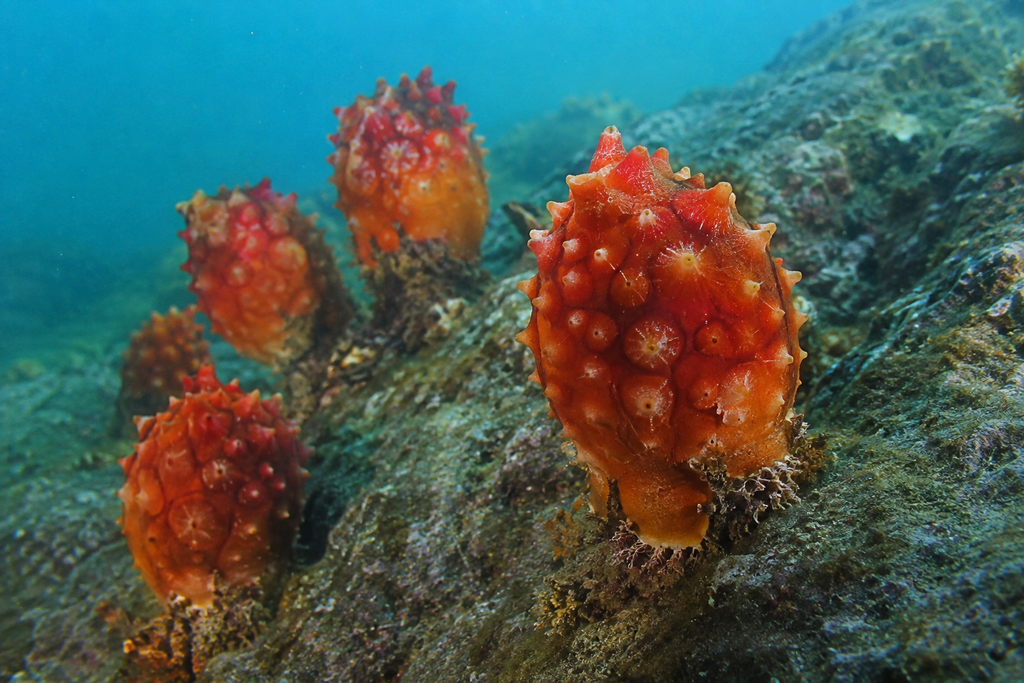
Whenever I see a pile of fresh meongge at a Korean seafood market, I find it difficult to walk past. Its rough, reddish exterior looks strange and slightly intimidating. But once the tough outer covering is opened, brilliant orange flesh appears inside.
Eat one cold piece, and suddenly the sea opens in your mouth.
The flavor of meongge cannot be explained simply as salty or sweet. First comes a cool, clean rush of seawater. Then there is a subtle sweetness, followed by the faintest bitterness. Even after you swallow it, a deep ocean fragrance remains.
It is like the scent left behind after a wave retreats from the shore.
That lingering aroma is why people who love meongge love it so intensely. It is also why the first bite can be challenging for someone unfamiliar with strongly flavored seafood. Not every Korean enjoys it, either.
Meongge is not a food that everyone eats. It is closer to a secret delicacy sought out by people who already understand its taste.
But if you love oysters, sea urchin, sashimi, or any seafood that still carries the scent of the ocean, you may fall in love with meongge. It does not merely come from the sea. It tastes as though a piece of the sea itself has been placed on your plate.
In English, meongge is usually called a sea squirt because it shoots water from its body when squeezed or removed from the sea. It is also known as a sea pineapple because of its unusual, bumpy appearance.
Do not let the name or appearance frighten you. The best way to eat it is wonderfully simple:
Fresh, raw, and cold.
And in my opinion, meongge tastes best with chogochujang, Korea’s sweet, sour, and spicy red chili sauce.
For your first taste, take a cold piece of freshly prepared meongge and dip it very lightly into the sauce. Chogochujang softens the intensity of the first ocean aroma with its tangy sweetness and gentle heat. Do not cover the meongge in too much sauce, however. A small amount is enough. Too much will hide the delicate flavor you came to experience.
At first, you taste the bright, spicy sauce. Then, as you chew, the cool and briny character of the meongge rises from underneath it. After you swallow, its clean marine fragrance remains in your mouth. That lingering finish is the real pleasure of eating meongge.
Once you become familiar with it, you can use less sauce. Some enthusiasts eat it without any seasoning at all. I understand why—but for me, the meeting of cold meongge and chogochujang is when it tastes best.
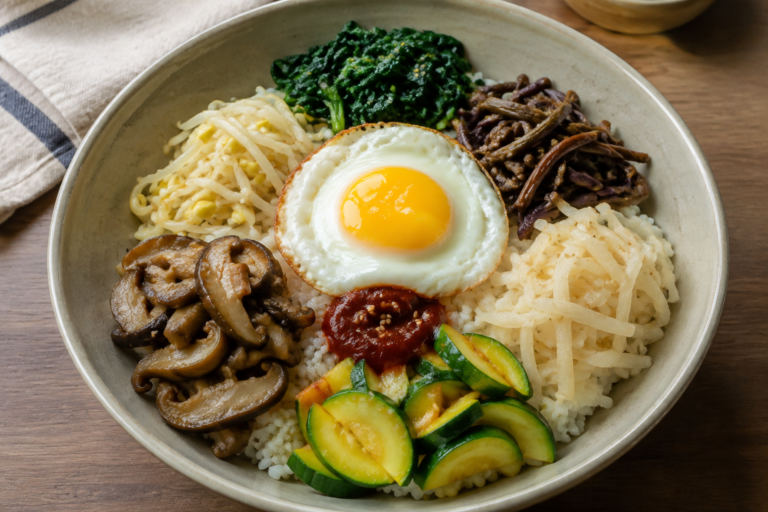
Some people in Korea also eat meongge in bibimbap. It can be mixed with rice and other ingredients, but if you want to discover its true character, I recommend eating it raw and cold before trying any other version. That is when you can fully experience its texture, fragrance, and unmistakable taste of the sea.
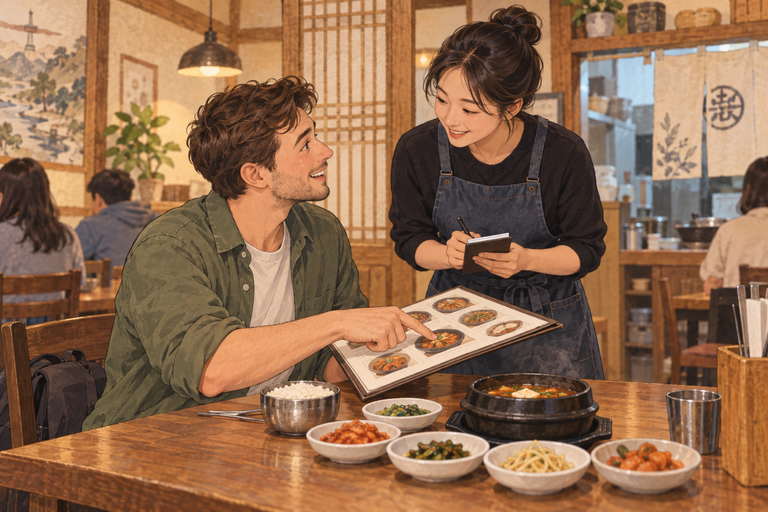
If you visit Korea, look for meongge at a seafood market or a restaurant near the coast. Choose a reputable place that prepares fresh seafood carefully, and try to order it freshly cleaned and chilled.
You may hesitate when you first see its rough exterior. You may wonder whether its strong aroma will be too much. Still, if you have traveled all the way to Korea, I hope you will try it at least once.

Dip one cold orange piece lightly into chogochujang, place it in your mouth, and wait.
You will probably have one of two reactions:
“This is still too adventurous for me.”
Or:
“Have Koreans really been keeping something this delicious to themselves?”
If you already love seafood, your reaction will probably be closer to the second.
And from that day on, you will be one of the people who knows.
You may not tell everyone about it. But whenever you see fresh meongge, you will quietly order a plate and enjoy the secret once again.
Meongge is a small secret from the Korean sea, shared only by those who understand its taste.